Food and Discovery
Canada is a vast country with a food culture as varied as its landscapes. Between the Atlantic fishing villages of the Maritimes, the sugar bushes of Quebec, the prairie grain belt and the Pacific coast, every region offers something different to taste — and the best way to appreciate it is often to combine it with time outdoors. This pillar page introduces the Food and Discovery category, explaining what it covers, why Canada stands out, and how to plan experiences that blend local food with leisure, tourism and the art of living well in nature.
Whether you are a first-time visitor or a long-time resident looking to see your own province with fresh eyes, the pages in this category are designed to help you eat better, travel slower and understand where Canadian food really comes from.
What Food and Discovery Means
Food and discovery is about more than restaurants. It covers the entire journey from field, forest and shoreline to the table, and the way travel connects them. In the Canadian context, this includes:
- Culinary tourism: visiting farms, markets, wineries, breweries and food festivals as the main purpose of a trip.
- Outdoor eating: picnics, campsite cooking, trail snacks and portage meals that turn nature time into a food experience.
- Regional traditions: dishes and ingredients tied to specific places, such as poutine, butter tarts, tourtière, smoked salmon or fiddleheads.
- Food heritage: learning from producers, Indigenous food keepers, fishermen and artisans about how Canadian ingredients are grown, harvested and prepared.
Think of it as an analogy: if a road trip is a novel, food and discovery is the recurring chapter that gives the story flavour. The landscapes change, but every stop adds a new taste and a new story.
Why Canada Is a Destination for Food-Loving Travellers
Canada consistently surprises visitors with the depth of its food scene. Several factors explain this:
- Regional diversity: nine distinct agricultural and culinary regions stretch from the Annapolis Valley to the Okanagan Valley, each with signature products.
- Seasonal extremes: short, intense summers create concentrated harvests, while long winters preserve traditions like curing, smoking, fermenting and maple sugaring.
- Cultural mosaic: immigrant communities have layered French, British, Ukrainian, Chinese, Caribbean, South Asian and Indigenous influences onto the national table.
- Clean nature: cold oceans, pristine lakes and wide forests support wild harvests — fish, game, berries and maple — that few countries can match.
For beginners, this means there is no single “Canadian cuisine” to check off a list. Instead, plan around regions and seasons, and let each trip tell its own story.
Signature Canadian Food Experiences by Region
Atlantic Canada
The Maritimes are built on the sea. Lobster suppers on Prince Edward Island, Digby scallops in Nova Scotia and chanterelle foraging in New Brunswick all connect the plate to the coastline. Seafood trail road trips are among the most accessible discoveries here, and many fishing communities welcome visitors directly at the wharf.
Quebec
Quebec is the home of maple syrup, producing the vast majority of the world’s supply. In spring, sugar shacks (cabanes à sucre) open their doors for traditional meals, taffy on snow and forest walks. Montreal and Quebec City add world-class markets — Jean-Talon and Marché du Vieux-Port — alongside a strong farm-to-table movement.
Ontario
Ontario pairs Canada’s largest city with serious agricultural land. Prince Edward County has become a destination for wineries, cideries and farm dinners; Niagara’s wine country and icewine cellars sit between two Great Lakes; and Ottawa’s ByWard Market anchors a tradition going back to the 1800s. Butter tarts, peameal bacon and thousands of kilometres of cycling trails link it all together.
The Prairies
Manitoba, Saskatchewan and Alberta produce much of the world’s wheat, canola and pulses. Bison ranches, grain elevators turned museums, Ukrainian-Canadian perogy halls and an emerging craft brewing scene make the prairies ideal for travellers who want to understand where staple foods come from.
British Columbia and the North
Vancouver is one of North America’s best Asian food cities, and the Okanagan Valley rivals any wine region for scenery. On Vancouver Island and the BC coast, wild salmon, spot prawns and foraged seaweed dominate. Farther north, Yukon and the Northwest Territories offer truly rare experiences: fish camps, wild berry harvests and Indigenous-led food walks under the midnight sun.
Combining Food with Outdoor Activities
What makes Canadian food discovery special is how naturally it pairs with outdoor recreation. A meal tastes different after a day on the trail, and producers are often located in the same beautiful areas hikers and paddlers seek out.
Popular pairings
- Hiking and foraging: guided wild edible walks in the spring (fiddleheads, morels) and berry picking in late summer across most provinces.
- Paddling and shore meals: canoe trips on Algonquin, the lakes of Saskatchewan or Yukon rivers, where cooking over a fire becomes part of the experience.
- Cycling and wine country: the Okanagan, Niagara and Prince Edward County all have trail networks linking vineyards, cideries and farm stands.
- Skiing and mountain cuisine: après-ski culture in Whistler, the Rockies and the Laurentians pairs hearty food with alpine scenery.
- Winter festivals: Quebec’s Winter Carnival, maple season and ice fishing villages show that cold weather is an advantage, not a barrier.
A simple rule for beginners: pick one anchor activity — a hike, a paddle, a bike ride — and build the food discoveries around it. Trying to fit too many tastings into a single day is the most common planning mistake.
Planning Your First Food and Discovery Trip
A little preparation goes a long way. Follow this order when planning:
- Choose a region and a season. Match them: lobster season in the Maritimes, maple season in Quebec, harvest festivals in wine country in autumn.
- Book producer visits in advance. Farms, sugar shacks and Indigenous food experiences often have limited capacity and require reservations.
- Check market days and hours. Small-town markets may only run on specific weekdays.
- Plan outdoor time around meals, not the reverse. A morning trail and an afternoon tasting is a classic, satisfying rhythm.
- Leave room in your luggage — or your cooler — for local products like syrup, cheese, preserves and wine (respecting interprovincial alcohol limits).
A realistic example
Imagine a long weekend in Quebec in early spring. Day one: a morning walk in a regional park followed by lunch at a sugar shack, complete with taffy on snow. Day two: the Jean-Talon Market in Montreal in the morning, then a picnic in Mount Royal Park in the afternoon. Day three: a brewery tour on the way home. Nothing is rushed, every meal has a story, and the total cost stays reasonable — a good illustration of how accessible this kind of travel can be.
Eating Outdoors: Practical Tips
Outdoor meals deserve their own section because they are central to the Canadian lifestyle. A few fundamentals:
- Follow food safety rules: keep coolers below 4 °C (40 °F), pack raw meat separately, and never leave perishables out longer than two hours.
- Respect wildlife: in national and provincial parks, store food in bear-proof lockers or hang it properly. Feeding wildlife is prohibited everywhere.
- Follow fire regulations: check current fire bans before cooking over open flames, and use designated fire pits where required.
- Pack out everything: Leave No Trace principles apply to food waste and packaging alike.
- Support local along the way: roadside farm stands and farmers’ markets often beat anything you could pre-pack.
Indigenous Food Culture: An Essential Dimension
No honest overview of Canadian food discovery ignores Indigenous contributions. First Nations, Inuit and Métis communities were harvesting, preserving and preparing this land’s foods for thousands of years before Confederation. Today, a growing number of Indigenous-led experiences — wild food walks, tea ceremonies, community feasts, northern fish camps — welcome respectful visitors. When seeking these out, prioritize experiences owned and operated by Indigenous people themselves, ask permission before photographing, and approach the food as part of a living culture rather than a novelty.
Eating Seasonally in Canada
Canada’s climate makes seasonality more visible than in many countries. Understanding the rhythm helps both travellers and locals:
- Spring: maple syrup, fiddleheads, morel mushrooms, early rhubarb.
- Summer: strawberries, raspberries and blueberries, corn, fresh-caught fish, farmers’ markets at their peak.
- Autumn: apple harvests, pumpkin patches, wine crush, game season, harvest festivals.
- Winter: comfort food traditions, ice fishing, preserved and cured specialties, winter carnivals.
Travelling with the seasons rather than against them usually means better food, lower prices and fewer crowds.
Frequently Asked Questions
Do I need to speak French to enjoy food tourism in Quebec?
No. English is widely spoken in tourist settings, especially in Montreal and Quebec City. Learning a few courtesy phrases is appreciated but never required.
Is food-focused travel expensive in Canada?
It can be, in resort areas, but most of the best experiences — markets, farm stands, picnics, sugar shacks, community suppers — are moderately priced. Mixing one memorable tasting with simple self-catered outdoor meals keeps budgets in check.
Can I bring food and wine across provincial borders?
Food is generally fine. Alcohol limits between provinces exist and vary, so check the rules in effect before transporting wine or spirits.
What about dietary restrictions?
Major cities and most producers accommodate vegetarian, vegan, gluten-free and halal needs well. Rural and Indigenous food experiences are more traditional; calling ahead to ask is always the courteous approach.
How This Category Is Organized
The Food and Discovery section groups content along four themes: regional food trails and destinations, seasonal harvests and markets, outdoor cooking and eating, and the people behind Canadian food — producers, chefs and keepers of culinary traditions. Each article stands on its own, but together they map a country you can genuinely taste.
Start with a region that speaks to you, add one outdoor activity, and let the food lead the way. That is the essence of food and discovery in Canada: slowing down enough to notice that the country itself is on the menu.
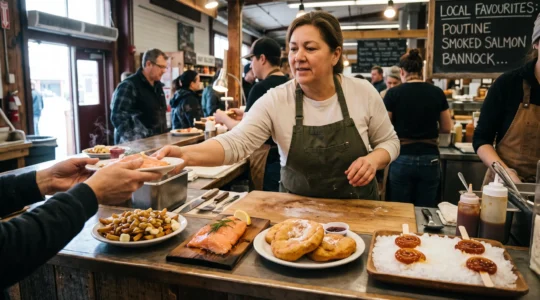
What Even Is Canadian Food When Every Province Tells a Different Story ?
Ask ten Canadians to name their country’s defining food, and the conversation might move from Quebec poutine to Atlantic lobster, Prairie perogies, Pacific salmon and Arctic char. None of these answers is necessarily wrong. Each reflects a different part of…
Read more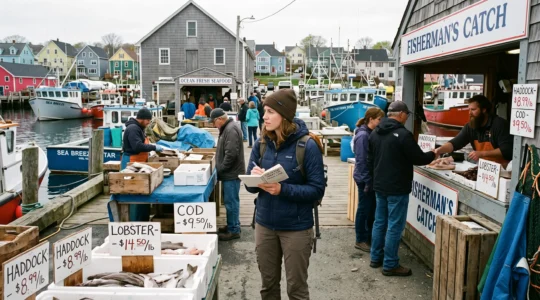
How to Buy Fresh Lobster in Atlantic Canada Without Paying Tourist Prices in $CAD
Fresh Atlantic Canadian lobster can be a memorable part of a trip through Nova Scotia, New Brunswick or Prince Edward Island. But the most expensive lobster on a waterfront menu is not necessarily the freshest, and the cheapest live lobster…
Read more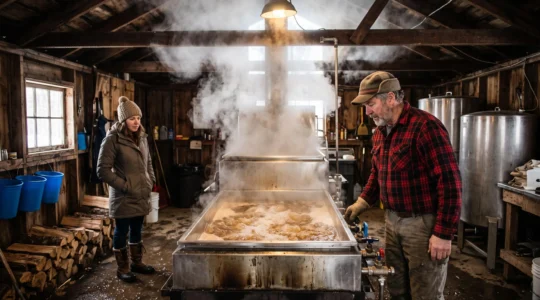
How to Experience Maple Syrup Production in Canada When the Season Is Short
A Canadian sugar shack can be serving a traditional maple feast while its evaporator sits completely still. That distinction matters if your goal is to watch maple sap become syrup rather than simply enjoy a seasonal meal. Across Québec and…
Read more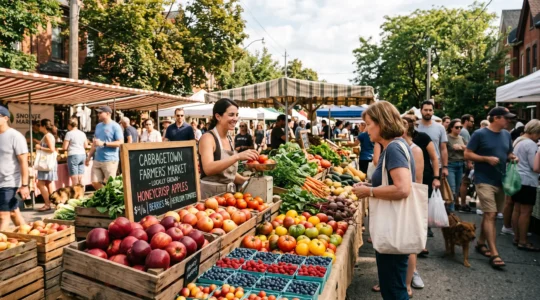
How to Buy Local Produce in Canada for a 3-Day Stay Without It Spoiling in Your Bag
A Canadian farmers’ market can make a three-day cabin or Airbnb stay memorable. Fresh berries at breakfast, local tomatoes with lunch, and vegetables cooked in a rental kitchen sound straightforward. The trouble starts when delicate produce spends several hours in…
Read more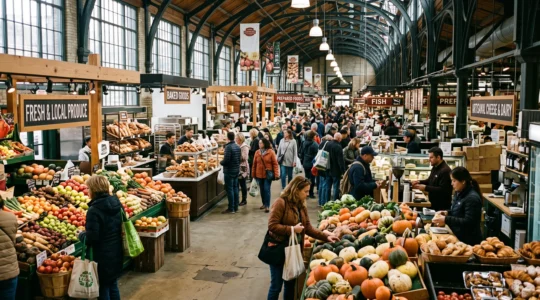
How to Visit a Canadian Public Market Without Getting Overwhelmed or Overbuying
A Canadian public market can introduce you to a city faster than a packed sightseeing schedule. Fresh produce, regional specialties, family-run food businesses and conversations between neighbours all share the same space. But that abundance creates a problem: every stall…
Read more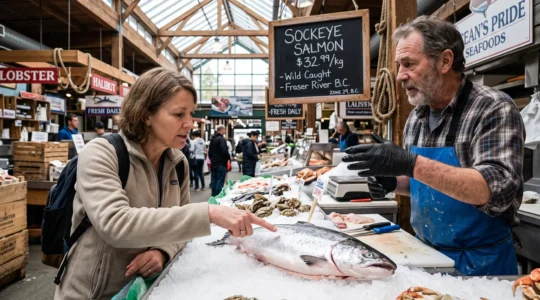
How to Tell if “Wild Salmon” in Canada Is Actually Worth the Price in $CAD
Wild salmon can be a worthwhile purchase in Canada, but the word “wild” alone does not justify a premium price. A carefully frozen sockeye fillet may deliver better eating quality than an expensive, poorly handled fresh-looking product. A cheaper pink…
Read more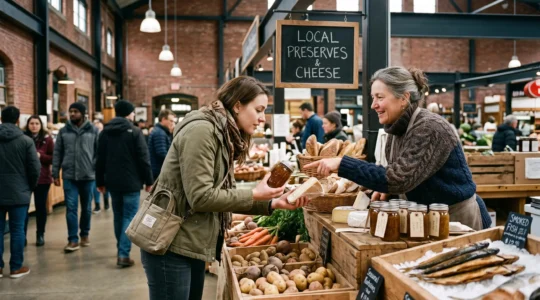
How to Spot Real Regional Specialties in Canada When Every Menu Says “Local”
A restaurant in Banff advertises poutine as a Canadian classic. A waterfront café in Halifax promotes the same dish. Both may serve perfectly enjoyable food, but neither menu tells you much about the culinary traditions of its particular region. That…
Read more