Culture and Events
Canada is a country where culture is lived as much as it is visited. With a population shaped by Indigenous traditions, French and British heritage, and waves of immigration from every corner of the world, the country hosts an extraordinary range of festivals, performances and public celebrations throughout the year. For travellers and newcomers alike, understanding Canada’s cultural calendar is one of the best ways to connect with local communities and make the most of a trip, whether you are drawn to music, food, visual arts, or seasonal traditions.
This page brings together the essentials of Canadian culture and events: the major festivals that punctuate the year, the role of Indigenous and regional cultures, practical tips for attending events, and how cultural experiences pair naturally with the country’s outdoor lifestyle and art of living.
Why Culture and Events Matter When Visiting Canada
Canada is vast, and its cultural identity changes dramatically from one region to another. A traveller spending an evening at a folk music gathering in the Maritimes will experience something quite different from someone attending a winter festival in Quebec or a summer celebration in British Columbia. Events are therefore not just entertainment; they are a lens through which to understand each region’s history, language and way of life.
Attending local events also offers practical advantages for visitors. Festivals often take place in parks, waterfronts and heritage districts, giving you access to neighbourhoods you might otherwise overlook. Many events are free or low-cost, making them an accessible way to enrich a trip without stretching your budget.
The Major Festivals Across the Canadian Seasons
Canada’s festival calendar follows the rhythm of its seasons, and locals have learned to celebrate enthusiastically in every kind of weather.
Winter: Celebrating the Cold
Rather than hibernating, many Canadian cities turn winter into a festive season. Montreal’s winter festival period, Quebec City’s famous carnival with its ice palace and night parades, and Ottawa’s Winterlude with its skating on the Rideau Canal Skateway all showcase a distinctly northern art of living. In Western Canada, winter sports towns such as Banff and Whistler combine alpine events with arts programming.
Spring and Summer: Festival Season at Full Speed
From late spring onward, the country fills with music and performance festivals. Montreal hosts one of the world’s largest jazz festivals, Toronto’s Caribbean Carnival brings vibrant parades to Lake Ontario, and Calgary Stampede transforms Alberta’s largest city into a celebration of rodeo and western heritage. On the Pacific coast, Vancouver’s Celebration of Light fireworks competition draws hundreds of thousands of spectators to English Bay.
- Music festivals in nearly every major city, spanning jazz, folk, electronic and indie genres.
- Cultural heritage festivals celebrating Italian, Greek, Chinese, South Asian and many other communities.
- Food and drink events featuring regional specialties, from Atlantic seafood to Okanagan wine.
- Outdoor spectacles such as fireworks competitions, hot air balloon gatherings and light festivals.
Autumn: Harvest, Film and Foliage
Autumn is a season of harvest festivals, film festivals and spectacular foliage. Toronto International Film Festival is a major stop on the global cinema circuit, while rural regions in Quebec, Ontario and the Atlantic provinces host cider tastings, pumpkin events and community suppers that coincide with the fall colours.
Indigenous Cultures: Living Traditions, Not a Museum Piece
Any honest overview of Canadian culture must place Indigenous peoples at its centre. First Nations, Inuit and Métis cultures are living, contemporary traditions expressed through powwows, art markets, music, storytelling and culinary practices. Visitors can attend public cultural events such as summer powwows, National Indigenous Peoples Day celebrations held each June, and exhibitions at institutions like the Canadian Museum of History in Gatineau or the U’mista Cultural Centre in British Columbia.
When attending these events, a few simple principles ensure a respectful experience:
- Check whether photography is permitted, especially during ceremonies and regalia dances.
- Follow the guidance of hosts regarding seating, protocols and participation.
- Support Indigenous artists directly by purchasing from their stalls or official boutiques.
- Approach the experience as a guest: listen, observe and ask questions when invited to.
A Regional Tour of Canada’s Cultural Identity
Because Canada stretches across six time zones, its cultural expressions vary widely. Here is a short overview to help you match events with destinations.
Quebec and French-Speaking Canada
Quebec offers a European-flavoured cultural scene: performing arts in Montreal and Quebec City, old-town festivals, literature and comedy traditions, and a winter culture built around snow, sugar shacks and hearty cuisine.
The Atlantic Provinces
The Maritimes are known for Celtic roots, fiddle music, kitchen parties and storytelling. Festivals celebrating Celtic heritage in Cape Breton and lobster-focused community events on the coasts give visitors an intimate, small-town cultural experience.
Ontario
Toronto is one of the most multicultural cities in the world, reflected in its neighbourhood festivals, film industry and museum scene. Ottawa adds national institutions, while Niagara wine country blends culture with culinary tourism.
The Prairies
Manitoba, Saskatchewan and Alberta combine western heritage, strong folk music traditions, and events such as the Calgary Stampede that celebrate ranching and rodeo culture.
British Columbia and the North
The West Coast blends urban arts in Vancouver and Victoria with Indigenous carving and totem traditions. Further north, Yukon and the Northwest Territories offer events shaped by subarctic life, including long-sunlight summer festivals and northern lights viewing seasons.
Practical Tips for Attending Events in Canada
Canadian festivals are generally well organized and welcoming, but a little preparation goes a long way, especially given the scale of some cities and the variability of the weather.
Planning Your Visit
- Identify the season that best matches your interests: winter carnivals, summer music festivals, or autumn harvest events.
- Book accommodation early in cities hosting major festivals, as hotel prices rise sharply during flagship events.
- Verify whether tickets are required for outdoor events; many are free but certain stages or activities may be ticketed.
- Check transit options. Downtown festivals often make parking difficult, and public transit or cycling is usually easier.
What to Pack and Expect
- Layered clothing, whatever the season: evenings can be cool even in summer, and winter events demand serious insulation.
- Rain gear, since many events continue in light rain.
- Refillable water bottle, as most festivals provide water stations.
- Cash and cards: food trucks and artisan stalls accept cards, but cash remains handy at small community events.
Consider the fictional example of a first-time visitor planning ten days in July. They might begin in Montreal during its jazz festival, take the train to Toronto for neighbourhood festivals and an open-air concert, then fly to Calgary to catch the Stampede before heading to the Rockies. This kind of itinerary shows how events can serve as anchors around which a broader tourism experience is built.
Culture Meets the Outdoors: Canada’s Signature Combination
What makes Canada distinctive is how naturally culture and outdoor life intertwine. Festivals are held on beaches, in ski villages, along canals and in mountain amphitheatres. Museums sit beside hiking trails, and public art runs along waterfront promenades. Travellers who enjoy outdoor activities can easily enrich their itinerary with cultural stops: a morning paddle followed by an evening concert, or a day on the slopes followed by a fireworks display.
This combination reflects a broader Canadian art of living: a lifestyle that values nature, community gathering and seasonal awareness. Rather than choosing between city and wilderness, most visitors find that the country’s events are precisely where the two meet.
Frequently Asked Questions
Are Canadian festivals expensive?
Many are free or offer free outdoor programming, with paid options for premium seating or special venues. Community events in smaller towns are often free of charge entirely.
Do I need to speak French to enjoy events in Quebec?
No. While French is the everyday language, major festivals welcome international visitors, and staff in tourist-oriented venues typically speak English. Making an effort with a few French greetings is always appreciated.
When is the best time to visit Canada for events?
Summer offers the widest selection of festivals, but winter is ideal for carnival experiences and snow-based celebrations, while autumn suits travellers drawn to film, food and harvest traditions.
Are events family-friendly?
Most Canadian festivals welcome families and offer dedicated children’s programming, though late-night concerts and some venues may have age restrictions.
Whether you are planning a first visit or deepening your knowledge of the country, following Canada’s cultural calendar is a rewarding way to travel. Each festival, market and celebration opens a door onto a region’s character, and together they paint a portrait of a country that celebrates its diversity with genuine warmth.
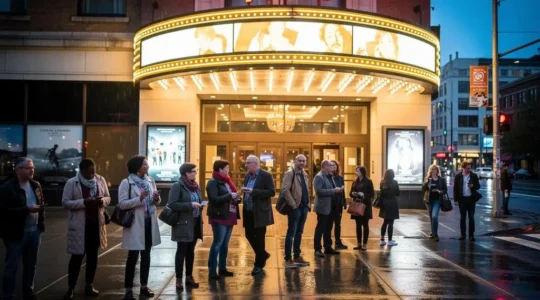
How to Do a Canadian International Film Festival on a Budget Without Missing the Best Screenings
A Canadian international film festival can deliver an extraordinary weekend of cinema without requiring a premium pass, an expensive downtown hotel or a schedule packed from morning until midnight. The secret is understanding which screenings genuinely need advance booking, which…
Read more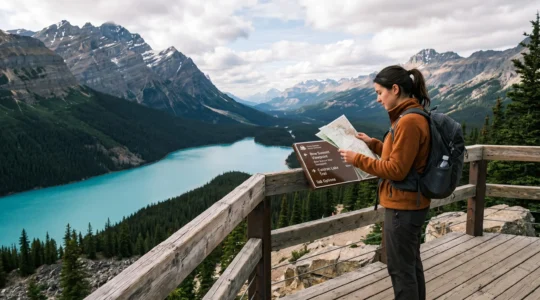
Which Canadian UNESCO World Heritage Site Is Worth Visiting If You Only Have 1 Free Day ?
If you have only one free day to visit a UNESCO World Heritage site in Canada, the best choice is not necessarily the most famous landscape. It is the site where you can understand the heritage story, experience its defining…
Read more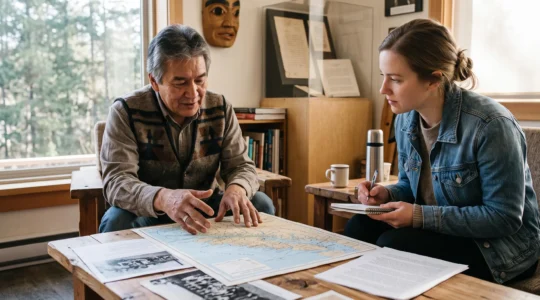
How to Learn About First Nations Traditions in Canada Without Making Pan-Indigenous Assumptions
Learning about First Nations traditions in Canada begins with a question that many introductory guides overlook: whose traditions are you learning about? The answer matters because First Nations are not one cultural community. They encompass distinct peoples whose languages, relationships…
Read more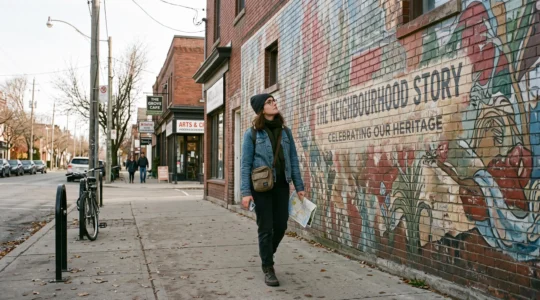
How to Find Public Art Installations in Canada That Feel Worth a 30-Minute Detour
A spectacular sculpture can occupy an entire plaza yet leave you with nothing to think about. A weathered mural on a residential street might hold your attention for twenty minutes because it tells you something about the people who live…
Read more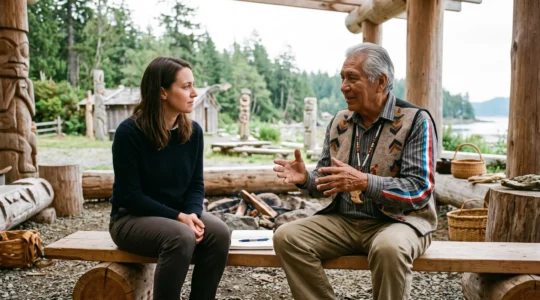
How to Learn About Indigenous Heritage in Canada Without Crossing Cultural Lines
Learning about Indigenous heritage in Canada begins with a simple distinction: Indigenous peoples are not historical subjects whose cultures exist primarily for visitors to examine. First Nations, Inuit and Métis peoples are living communities with their own identities, languages, knowledge…
Read more