Leisure in Canada
Canada is one of the best places in the world to enjoy leisure time. With its vast wilderness, vibrant cities, and four very distinct seasons, the country offers an incredible range of activities for every type of traveller and resident. Whether you enjoy hiking through mountain trails, paddling on a calm northern lake, wandering through a farmers’ market, or warming up with a hot chocolate after a day on the slopes, leisure in Canada is deeply connected to nature and community life.
This page introduces the main ways Canadians and visitors enjoy their free time, from outdoor adventures and seasonal pastimes to cultural experiences and everyday lifestyle traditions. Think of it as your starting point: each section opens a door to a broader world of activities you can explore in more depth across the site.
Why Nature Is at the Heart of Canadian Leisure
It is impossible to talk about leisure in Canada without mentioning the outdoors. Canadians have a strong cultural connection to nature, shaped by the country’s enormous forests, thousands of lakes, and iconic mountain ranges. Outdoor recreation is not a niche activity here; it is part of the national identity.
A simple way to picture it: if many countries have a park in the city, Canada often feels like a city in the park. National parks such as Banff, Jasper, and Gros Morne, along with countless provincial parks and conservation areas, give easy access to hiking, camping, swimming, and wildlife watching — often within a short drive of urban centres.
Access is also well organized. Parks Canada manages national parks and historic sites, while each province maintains its own network of parks and trails. Most locations require modest entrance fees or camping reservations, especially during the busy summer months, so booking ahead is a habit worth adopting.
Outdoor Activities by Season
One of the most distinctive features of leisure in Canada is how dramatically activities change with the seasons. Rather than hibernating in winter, Canadians have learned to embrace the cold — and winter sports are a major part of the culture.
Spring
As the snow melts, maple syrup season begins in Quebec and Ontario, sugar shacks open their doors, and hiking trails gradually reopen. Spring is also a great time for birdwatching and visiting waterfalls swollen with meltwater.
Summer
Summer is peak season for outdoor leisure. Long daylight hours — especially in northern regions — allow for full days of activity. Popular pursuits include:
- Hiking and backpacking in national and provincial parks
- Canoeing and kayaking on lakes and rivers
- Camping, from drive-in sites to backcountry wilderness trips
- Swimming, paddleboarding, and beach days on Canada’s lakes and coasts
- Cycling on extensive urban and rural trail networks
- Fishing, a cherished tradition in many regions
Fall
Autumn brings spectacular foliage, particularly in Quebec, Ontario, and the Atlantic provinces. Leaf-peeping drives, harvest festivals, apple picking, and scenic train journeys make fall one of the most rewarding seasons for sightseeing.
Winter
Winter transforms the country into a playground for snow sports. Canadians make the most of the season rather than avoiding it.
- Skiing and snowboarding at world-class resorts like Whistler Blackcomb and Mont-Tremblant
- Skating on outdoor rinks and iconic trails such as the Rideau Canal Skateway in Ottawa
- Snowshoeing and cross-country skiing in city parks and ski centres
- Ice fishing on frozen lakes
- Snowmobiling across vast trail networks, especially in Quebec and Ontario
- Dog sledding and winter camping for the more adventurous
A helpful mindset for visitors: pack in layers. Winter leisure in Canada is comfortable when you dress properly, and many locals will tell you there is no bad weather, only unsuitable clothing.
Urban Leisure and City Life
Canadian cities balance big-city energy with remarkable access to green space. Toronto, Vancouver, Montreal, Calgary, Ottawa, and Quebec City each offer their own flavour of urban leisure.
Vancouver combines mountains and ocean with beaches and Stanley Park minutes from downtown. Montreal is famous for its festivals, terraces, and car-free urban circuits in summer. Toronto offers island escapes, waterfront trails, and one of the most multicultural food scenes in the world. Ottawa hosts major national museums and winter festivities, while Calgary provides quick gateways to the Rockies.
Common urban leisure activities include:
- Visiting museums, galleries, and historic neighbourhoods
- Exploring public markets such as Granville Island or Jean-Talon Market
- Attending farmers’ markets and food festivals
- Enjoying craft breweries, coffee culture, and diverse international cuisine
- Using extensive bike paths and waterfront promenades
Cultural and Community Life
Leisure in Canada is also shaped by its multicultural population and strong sense of community. Festivals are a cornerstone of the national calendar, ranging from music and comedy events in Montreal to film festivals, winter carnivals, and cultural celebrations in cities and small towns alike.
Indigenous tourism has grown significantly in recent years and offers meaningful ways to learn about First Nations, Inuit, and Métis cultures through guided experiences, art, storytelling, and cuisine. Visitors are encouraged to seek out authentic, Indigenous-led experiences when planning cultural activities.
Hockey deserves a special mention. Beyond being a professional sport, it is a genuine social ritual — from early-morning community rinks to public skating sessions. Attending a local game or simply joining a public skate is an easy, welcoming way to experience Canadian culture firsthand.
Planning Your Leisure Time in Canada
Whether you live in Canada or are planning a trip, a little preparation goes a long way. Distances are enormous, seasons matter, and popular destinations fill up quickly. Here is a simple process to build your plans:
- Choose your season and region. A summer trip to the Rockies looks very different from a winter visit to Quebec City. Decide what experiences matter most to you.
- Book accommodations and park access early. Campsites, lodges, and popular attractions can be reserved months in advance, particularly for July and August.
- Check conditions and regulations. Weather varies widely, park passes are often mandatory, and some activities (like fishing) require a licence.
- Prepare appropriate gear. Layered clothing, sturdy footwear, and sun protection are useful almost year-round; winter requires serious insulation.
- Mix and match. The most rewarding trips combine wilderness, city, and culture — for example, hiking in the day and enjoying a concert or market in the evening.
Consider a fictional example: a family visiting from abroad might spend a few days in Vancouver, take a day trip to a coastal trail, then fly to Calgary to explore Banff, finishing in Montreal for food and festivals. That variety is very achievable with reasonable planning — and it captures the essence of Canadian leisure.
Practical Tips for Beginners
If you are new to outdoor activities or visiting Canada for the first time, these guidelines will help you stay safe and comfortable:
- Respect wildlife. Keep a safe distance from bears, moose, and other animals, and store food properly when camping.
- Leave no trace. Carry out what you carry in to protect parks and trails for everyone.
- Tell someone your plans. When heading into remote areas, share your itinerary, especially for backcountry trips.
- Stay on marked trails and follow park signage and seasonal advisories.
- Be realistic about distances. Canada is huge; it is often better to explore one region thoroughly than to rush across the whole country.
FAQ: Common Questions About Leisure in Canada
Is leisure in Canada expensive?
Not necessarily. While some resorts and guided tours can be costly, many of the country’s best leisure options — hiking, skating on public rinks, beaches, city parks, and festivals — are free or very affordable. Park entrance fees and camping rates are generally reasonable.
Do I need to speak French to enjoy Quebec?
No. Montreal and Quebec City are welcoming to visitors of all languages. Learning a few French phrases is appreciated and enriches the experience, but English is widely understood in tourist areas.
What is the best season for a first visit?
Summer offers the widest range of activities and the easiest access to parks, but winter is magical if you want to experience skiing, skating, and snow-covered scenery. It depends on what you want to do most.
Can beginners enjoy Canadian outdoor activities?
Absolutely. Most parks offer beginner-friendly trails, rental equipment for skiing, snowshoeing, and paddling, and guided options for nearly every activity. Start small, stay on marked routes, and build confidence gradually.
Leisure in Canada is ultimately about balance: adventure and relaxation, wilderness and city life, active days and cozy evenings. Whatever your interests or fitness level, the country offers a place — and a season — where you can feel at home outdoors.
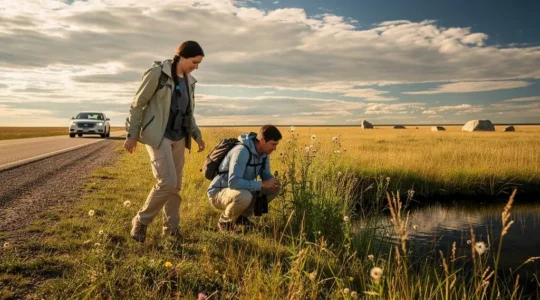
What Should You Stop For in the Canadian Prairies When It All Looks Flat at First ?
The Canadian Prairies can seem endless from behind a windshield. The highway runs straight, fields stretch toward the horizon, and the next town might appear to be the only reason to stop. Yet across Manitoba, Saskatchewan and Alberta, some of…
Read more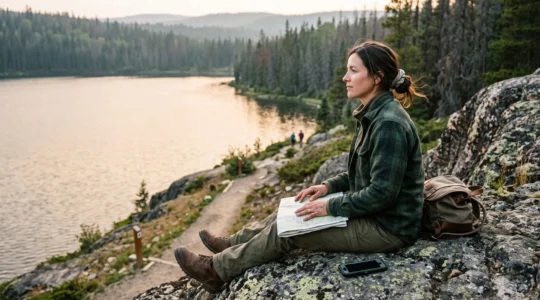
Which “Wild Space” in Canada Will Actually Help You Unplug Without Going Full Backcountry ?
The best wild space in Canada for an overwhelmed city dweller is often a quiet, accessible provincial park or a serviced national park campground—not a remote lake requiring advanced navigation skills. The ideal escape offers enough distance from traffic, notifications…
Read more