Outdoor Activities
Canada is one of the best places on Earth to spend time outside. With more lakes than the rest of the world combined, vast national and provincial parks, mountain ranges on both coasts, and winters that turn the landscape into a playground of snow and ice, the country offers outdoor activities for every interest, fitness level, and budget. This pillar page introduces the main categories of outdoor activities available across the country, explains how to prepare for them, and answers the questions newcomers and first-time visitors ask most often.
Whether you are a complete beginner who has never set up a tent or an intermediate adventurer looking to broaden your horizons, the goal here is simple: help you understand what is possible, what it requires, and how to enjoy it safely and responsibly.
Why Outdoor Activities Are So Popular in Canada
Nature is woven into Canadian culture. Weekends are often planned around a cottage visit, a trailhead, or a frozen lake, and most provinces make it remarkably easy to access wilderness within a short drive of major cities. For example, Vancouver sits between the ocean and the Coast Mountains, while Montreal and Toronto are both within a few hours of extensive provincial park networks.
This accessibility matters for beginners. You do not need a remote expedition to enjoy the outdoors; a morning paddle on a local lake or an afternoon walk on a marked trail can deliver the same physical and mental benefits as a multi-day adventure.
- Physical health: hiking, paddling, and skiing build endurance, strength, and balance naturally.
- Mental well-being: time in green and blue spaces is widely associated with reduced stress and better mood.
- Affordability: many activities require little more than appropriate footwear and a park pass.
- Social connection: club outings, guided tours, and family camping trips make outdoor time a shared experience.
The Main Categories of Outdoor Activities
Because conditions vary so dramatically between summer and winter, it helps to think of Canadian outdoor activities in two broad seasons, with year-round options in between.
Warm-Season Activities
From late spring to early fall, the country opens up. The most accessible entry points include:
- Hiking and walking: from boardwalk strolls in Banff National Park to coastal trails on the Atlantic, marked routes exist for every level.
- Paddling: canoeing and kayaking on lakes, rivers, and coastlines; Canada’s canoe heritage makes this a natural national pastime.
- Camping: frontcountry campgrounds with facilities, backcountry sites for solitude, and comfortable intermediate options like oTENTiks and yurts in national parks.
- Cycling: converted rail trails, urban path networks, and mountain-bike trail systems across the provinces.
- Fishing and wildlife watching: whale watching in the St. Lawrence, birding in migratory zones, and bear viewing in British Columbia.
Cold-Season Activities
Winter in Canada is not a pause; it is a second season of play.
- Downhill skiing and snowboarding: world-class resorts in British Columbia, Alberta, and Quebec.
- Cross-country skiing and snowshoeing: low-cost, beginner-friendly, and available in almost every region.
- Skating: outdoor rinks and natural ice surfaces, including famous long trails such as the Rideau Canal Skateway in Ottawa when conditions allow.
- Winter camping and fat biking: growing options for those ready to go further.
Year-Round Options
Fishing under provincial licences, trail running, photography outings, and geocaching can be practised in most seasons with the right preparation. Urban green spaces, river valleys, and waterfront paths also keep outdoor routines alive close to home.
Getting Started: A Simple Roadmap for Beginners
The most common mistake is trying to start with the most ambitious version of an activity. A better approach is to build skills progressively.
- Choose one activity that genuinely appeals to you rather than what looks impressive on social media.
- Start close to home: pick a well-marked, popular location where help is nearby.
- Borrow or rent gear before buying; many parks, outdoor centres, and outfitters rent equipment at reasonable rates.
- Go with someone experienced or join a local club, which shortens the learning curve dramatically.
- Tell someone your plan: where you are going and when you expect to return.
- Review and repeat: after each outing, note what worked and what to adjust, then build up gradually.
Consider a concrete example: a family in Halifax wants to try camping. Rather than booking a remote backcountry site, they reserve a frontcountry campground in a provincial park an hour from home, rent a tent, plan simple meals, and stay two nights. The trip succeeds, the children are enthusiastic, and the following season they extend to four nights and try a short canoe outing. This incremental approach is how most long-term outdoor enthusiasts actually began.
Safety Fundamentals Every Outdoor Newcomer Should Know
Canadian outdoor culture places a strong emphasis on preparedness, and for good reason: conditions change quickly, cell coverage is unreliable in many areas, and help can be far away. A few fundamentals cover the vast majority of situations.
Dress for the Conditions
The layering system is the cornerstone of comfort. A moisture-wicking base layer, an insulating mid-layer, and a wind- and water-resistant outer shell let you adapt as you heat up or cool down. Cotton, which stays wet and cold, is best avoided in cool conditions.
Pack the Essentials
Regardless of the activity, experienced Canadians rarely head out without:
- Water and extra food
- Navigation tools (map, compass, or offline GPS app)
- A headlamp with fresh batteries
- Sun protection, including in winter
- A first-aid kit and a whistle
- Insect repellent in summer and warm layers year-round
Understand Local Risks
Each region has its own realities: black bears and, in some areas, grizzly bears require food storage discipline and knowledge of proper behaviour during an encounter; ticks in much of eastern and central Canada make daily tick checks wise; cold water demands a personal flotation device for any paddling trip; and avalanche terrain in the Rockies requires specific training before venturing beyond marked runs and trails. Checking conditions and advisories before departure, through Parks Canada or provincial park authorities, should become a routine habit.
Planning Your Outings: Parks, Permits, and Reservations
Canada manages its outdoor spaces through overlapping systems, and knowing which one applies to your destination saves frustration.
- National parks, managed by Parks Canada, require entrance passes and often advance reservations for camping and popular attractions.
- Provincial and territorial parks have their own reservation systems and fee structures, and frequently offer excellent, well-serviced campgrounds.
- Municipal and conservation areas provide accessible options near cities, often free or low-cost.
Reservations for summer weekends and winter holidays at popular destinations can open months ahead, so planning early is genuinely part of the experience rather than an administrative detail. Fishing and hunting also require provincial licences, and some activities, such as backcountry camping in certain parks, require specific permits.
Choosing the Right Activity for Your Situation
With so many options, a simple comparison framework helps narrow things down.
If you want minimal gear and maximum flexibility, hiking is the natural starting point. If water draws you, canoeing and kayaking reward patience with unforgettable scenery, but require a flotation device and basic instruction. If winter appeals, snowshoeing is the most forgiving entry point, since it essentially extends walking to snowy trails. Families often find campgrounds the most social and forgiving format, combining activities in one trip.
- Time available: a half-day hike fits most schedules; a backcountry trip does not.
- Budget: start with activities under a few hundred dollars of total investment.
- Fitness level: choose distances and terrain honestly, then progress.
- Company: solo pursuits, partner sports, and group activities offer very different experiences.
Respecting Nature and Canadian Outdoor Etiquette
The sustainability of these spaces depends on how visitors behave. Leave No Trace principles are widely adopted across the country and are easy to apply:
- Plan ahead and stay on marked trails.
- Pack out everything you bring in.
- Leave natural objects and wildlife undisturbed.
- Keep food secured from wildlife and never feed animals.
- Be considerate of other visitors and keep noise reasonable.
- Observe fire rules and fully extinguish campfires where permitted.
These habits protect wildlife, preserve the experience for others, and reflect the deep respect most Canadians feel for their natural spaces.
Frequently Asked Questions
Do I need to be very fit to enjoy outdoor activities in Canada?
No. Activities span an enormous range of intensity. Short, flat interpretive trails, calm lakes, and chairlift-accessible viewpoints welcome beginners, while more demanding objectives can come later.
Is it expensive to get started?
It does not have to be. Walking, snowshoeing on rented gear, and visiting conservation areas cost very little. Renting equipment and buying second-hand are well-established practices among Canadian outdoor enthusiasts.
What about wildlife?
Encounters are part of the experience and are usually uneventful when you follow established guidance: make noise on trails, store food properly, keep distance, and know the specific recommendations for the wildlife in your region.
Can I enjoy the outdoors alone?
Many people do, but solo outings call for extra preparation: simpler objectives, careful trip planning left with a contact, and conservative decisions. Joining clubs or guided outings first is a safer way to build judgment.
Where to Go From Here
Outdoor activities in Canada are less about epic exploits and more about a lifestyle of regular, rewarding time outside. Start with one activity, prepare simply but seriously, respect the land and its wildlife, and let your experience grow naturally season after season. The rest of this category dives into each type of activity in detail, with practical advice tailored to Canada’s regions, rules, and remarkable landscapes.
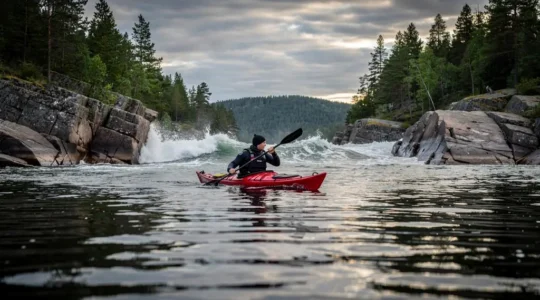
How to Kayak Among Forested Islands in Canada When Wind Picks Up Fast ?
Kayaking between forested Canadian islands can feel wonderfully sheltered until a narrow channel suddenly exposes you to strong wind and steep, confused waves. In places such as Georgian Bay, British Columbia’s Gulf Islands, and remote coastal inlets, the difference between…
Read more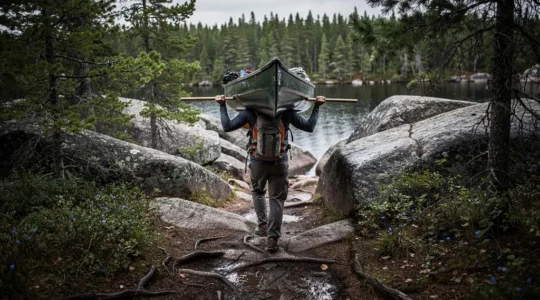
How to Plan a Canadian Shield Lakes Trip When You’ve Never Done a Portage ?
Your first Canadian Shield canoe trip should feel like an adventure, not a test of how much equipment you can carry through the forest. The challenge is that paddling between lakes is only part of the journey. Rocky landings, uneven…
Read more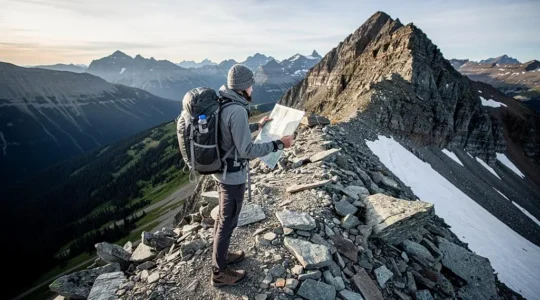
Which Canadian Mountain Peak Hike Is Realistic for Your Fitness Level Without Turning Risky ?
A Canadian mountain summit can look manageable on a hiking app and become exhausting long before the final ridge. A short route may gain substantial elevation, cross loose rock, or climb into weather that bears little resemblance to conditions at…
Read more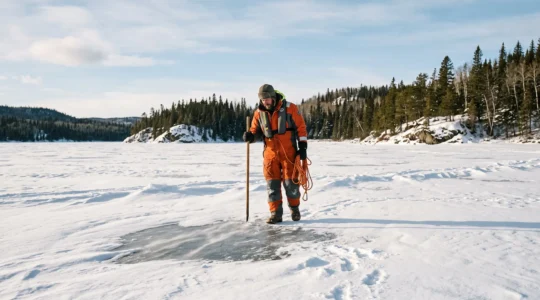
How to Tell if a Frozen Lake in Canada Is Safe Enough to Walk On
A Canadian lake can look completely frozen while hiding ice too weak to support a person. Snow can conceal cracks, flowing water can prevent ice from thickening, and a recent thaw can weaken a surface that appeared reliable only days…
Read more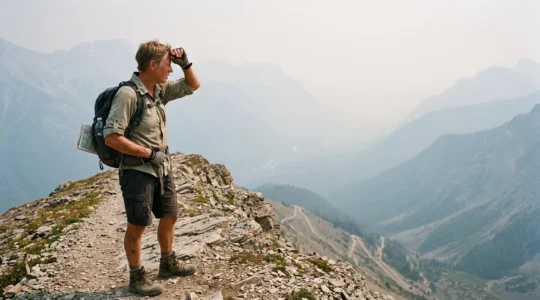
How to Summer Hike in Canada When Smoke and Heat Make “Easy Trails” Hard
A summer hiking forecast of 24°C can look comfortable until the trail climbs through humid forest, the sun reaches an exposed slope, or wildfire smoke begins affecting your breathing. Across Canada, July and August hiking conditions can change the effort…
Read more